Background
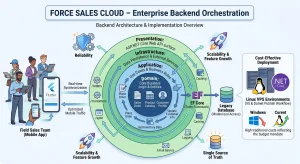
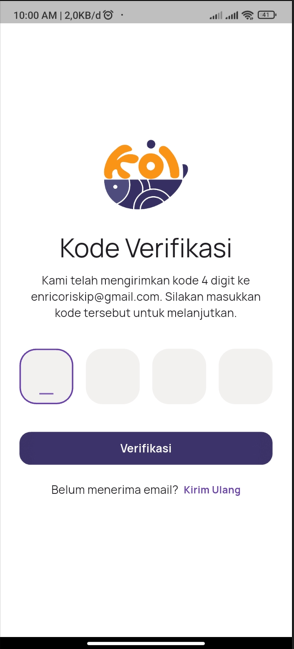
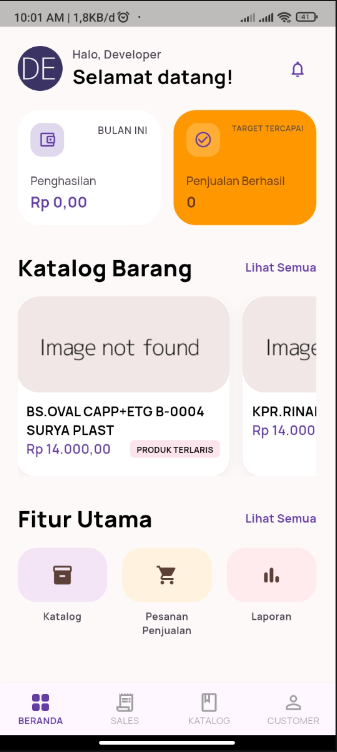
With Force Sales Cloud in place, the next challenge was delivering its capabilities to the field sales team through a mobile app. The requirements were demanding:
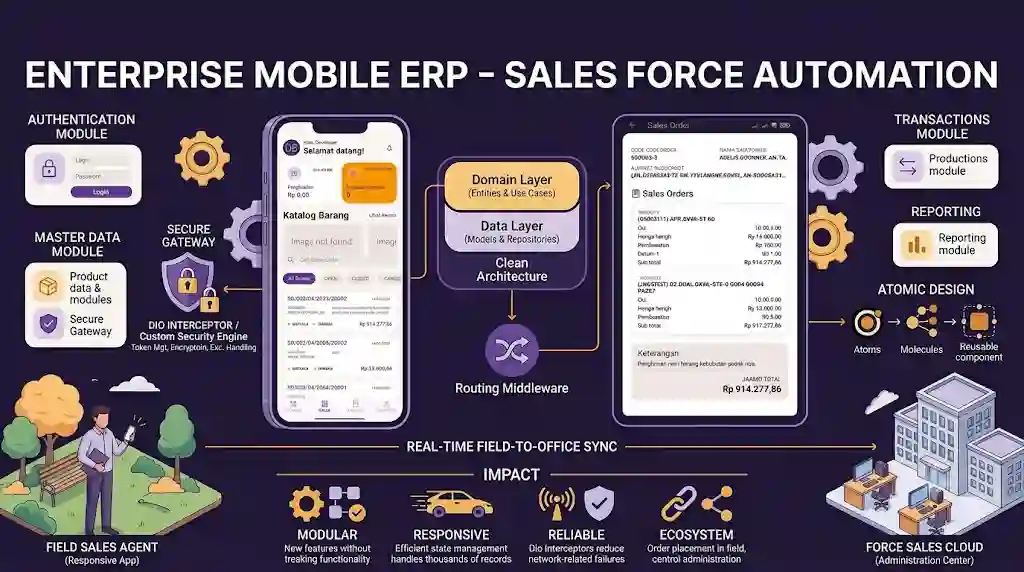
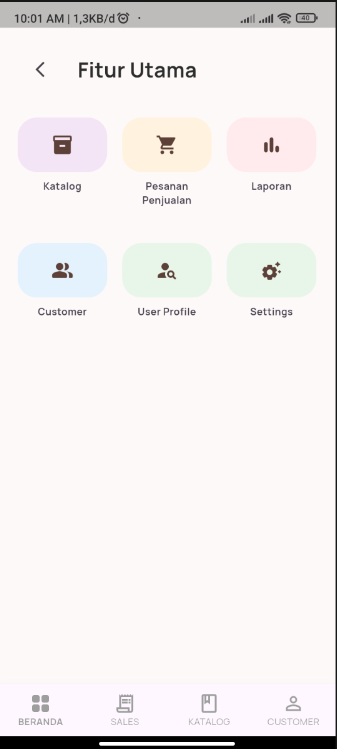
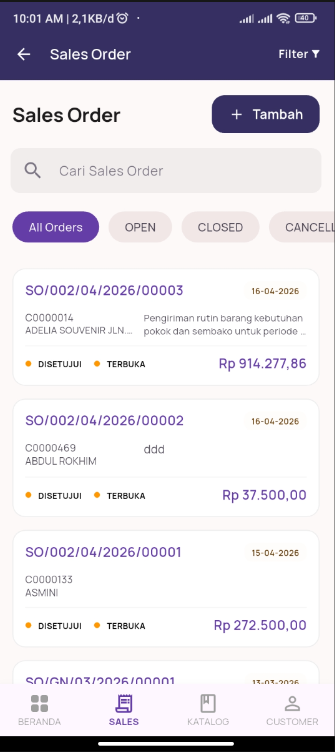
- The app had to cover a wide range of ERP modules — master data, transactions, and reporting — all in one place.
- Field agents often worked in areas with inconsistent connectivity, so performance couldn’t rely on a perfect network.
- Any architecture that wasn’t modular from the start would become a maintenance burden as the feature set grew.
Solution
I designed the mobile application using a Layered Clean Architecture combined with a Feature-Based Module structure. Each major function — authentication, master data, transactions, reporting — lived in its own isolated module, so the team could develop and update features in parallel without stepping on each other.
Implementation
The network layer was built on a customized Dio Interceptor engine, handling automatic authentication token management, data encryption, and centralized exception handling across all API calls. The UI was built following Atomic Design principles — atoms, molecules, and organisms — creating a library of reusable components that kept the interface consistent and easy to update across the entire app.
State management was handled through Provider, paired with a routing middleware layer that enforced access control based on user roles. The Domain Layer (Entities & Use Cases) was kept entirely separate from the Data Layer (Models & Repositories), ensuring that business logic stayed clean and independent of any external changes.
Impact
- New feature modules could be added without any risk of breaking existing functionality, thanks to the isolated module structure.
- The lightweight architecture and efficient state management delivered a responsive experience even when processing thousands of product or customer records.
- Centralized exception handling through Dio Interceptors reduced the surface area for unpredictable network-related failures.
- Together with Force Sales Cloud, the app created a complete field-to-office sales ecosystem — from order placement in the field to administration at the center.